In the ever-evolving landscape of global manufacturing, China stands out as a leader in delivering high-quality solutions that meet diverse industrial needs. One prominent example is Bosch Off Highway, which exemplifies the pinnacle of engineering excellence in the off-highway sector. At TECHIE Inc., we proudly align with this commitment to quality by specializing in ignition systems for stationary gas engines. Our products cover an impressive range with over 95% compatibility for reputable brands such as GE Jenbacher, MWM, and CAT.
By offering a comprehensive suite of gas engine spare parts and a one-stop service approach, TECHIE not only enhances operational efficiency but also embodies the spirit of global excellence in manufacturing. As we explore the impressive contributions from Chinese manufacturers, we highlight how partnerships with industry leaders like Bosch Off Highway can drive innovation and deliver exceptional value to customers worldwide.
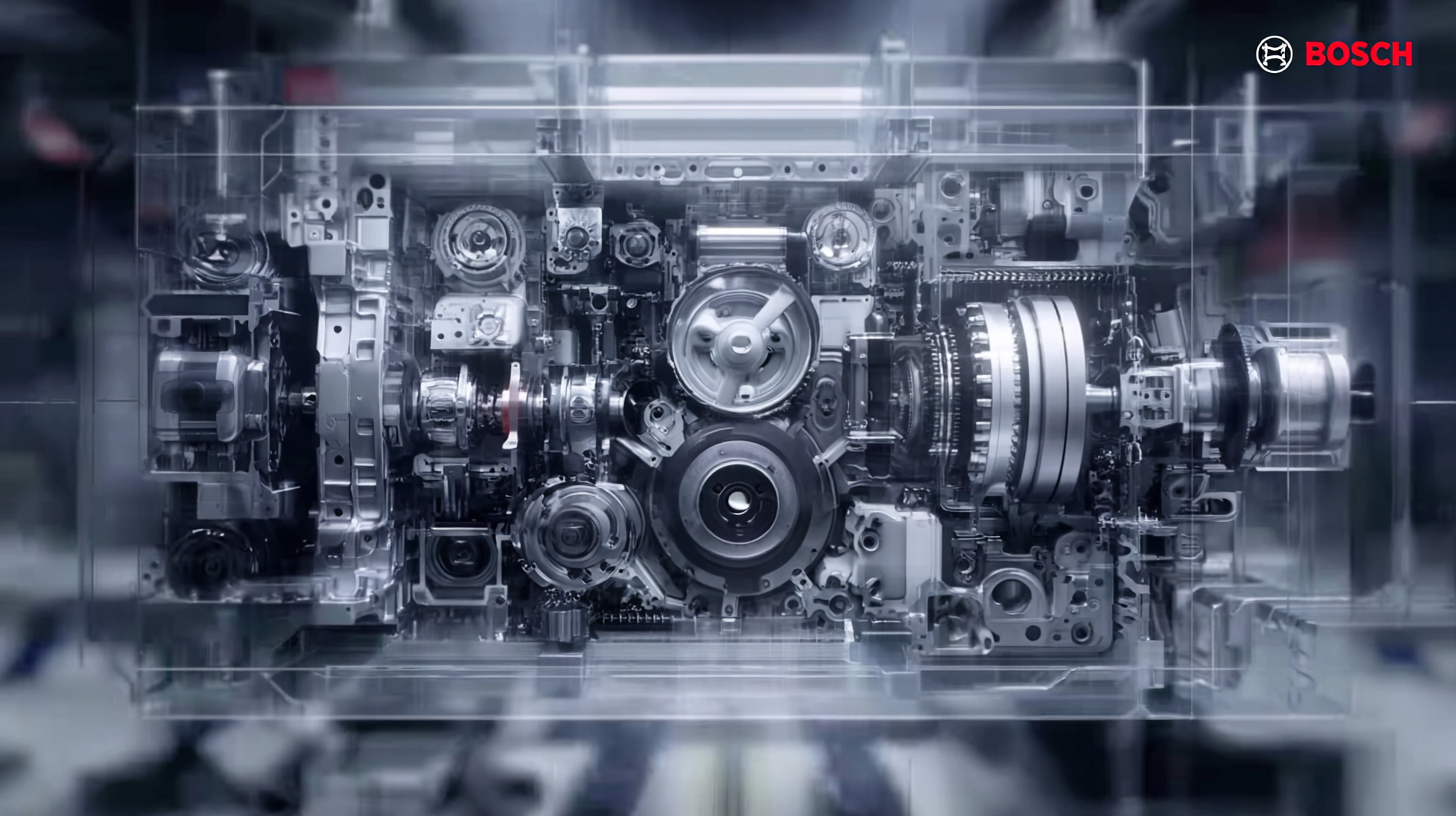
At Bosch Off Highway Solutions in China, innovative manufacturing techniques are at the forefront of the industry, driving the development of advanced solutions tailored for off-highway applications. By integrating cutting-edge technology with traditional manufacturing processes, Bosch has redefined efficiency and effectiveness in producing high-quality machinery components. This innovation is evident in their adoption of automation and robotics, which enhance precision and reduce production time while maintaining cost-effectiveness.
Moreover, Bosch's commitment to sustainability is reflected in their manufacturing practices. Utilizing eco-friendly materials and implementing energy-saving technologies, the company significantly minimizes its environmental impact. This not only aligns with global sustainability goals but also showcases Bosch's dedication to creating a more responsible and efficient manufacturing ecosystem. As a result, Bosch Off Highway Solutions is setting new benchmarks in the industry, demonstrating that excellence in manufacturing is attainable through innovation and a forward-thinking approach.
In China’s pursuit of global manufacturing excellence, significant quality assurance measures have been instituted to align with international standards. According to a recent report, the shift from traditional to intelligent manufacturing is central to this transformation, with many facilities now adopting advanced technologies that enhance productivity while reducing environmental impact. The implementation of these innovative practices is crucial, especially as China aims to become a leading innovator in advanced industries, surpassing other nations in total innovation output.
Furthermore, the focus on quality assurance is not solely about meeting production quotas, but also about ensuring the safety and reliability of products. The digitization of manufacturing processes has led to improved quality control methods. For instance, a study indicated that digital transformation initiatives have resulted in a noticeable decrease in defects in exported products, thereby bolstering China’s competitiveness in global markets. These advancements illustrate China's commitment to maintaining high manufacturing standards that adhere to global expectations, highlighting the potential for sustained growth and innovation in its manufacturing sector.
In the realm of off-highway manufacturing, Bosch exemplifies a commitment to sustainable practices, significantly enhancing its production processes in China. By integrating advanced technologies and innovative materials, Bosch has been able to reduce waste and lower energy consumption, aligning with global sustainability goals. Their approach includes the adoption of circular economy principles, where materials are reused and recycled, minimizing the environmental impact of manufacturing activities.
Moreover, Bosch's investment in renewable energy sources to power their production facilities demonstrates a proactive stance towards sustainability. This transition not only decreases carbon emissions but also sets a benchmark for the industry, encouraging other manufacturers to follow suit. By fostering a culture of sustainability, Bosch not only enhances its operational efficiency but also caters to a growing market demand for environmentally-friendly products, solidifying its position as a leader in the off-highway sector. As such, Bosch continues to innovate, ensuring that their manufacturing processes are not only competitive but also responsible and sustainable for future generations.
| Aspect | Description | Performance Indicator | Sustainability Impact |
|---|---|---|---|
| Energy Efficiency | Implementation of advanced manufacturing technologies to reduce energy consumption. | Reduced energy use by 25% per unit produced. | Lower carbon emissions and operational costs. |
| Material Sourcing | Use of sustainable and recyclable materials in production. | 80% of materials sourced sustainably. | Reduces landfill waste and promotes circular economy. |
| Waste Management | Implementation of a zero-waste policy in production processes. | 60% reduction in waste generation. | Minimized environmental footprint. |
| Water Conservation | Recycling and reducing water use in manufacturing processes. | 40% reduction in water usage. | Preserves local water resources. |
| Employee Training | Programs focused on sustainable practices and safety. | 85% employee participation in sustainability training. | Enhanced workplace safety and environmental awareness. |
Bosch has established itself as a leading manufacturer of off-highway solutions, with significant success in exporting its innovative products from China. According to a recent industry report by MarketsandMarkets, the off-highway vehicle market is projected to grow from USD 116.92 billion in 2022 to USD 154.42 billion by 2027, driven by increasing demand for construction and agricultural equipment. Bosch’s robust product lines, including advanced hydraulics and powertrain technologies, cater to this expanding market, showcasing China's capacity for high-quality manufacturing.
One notable success story is Bosch's supply of hydraulic components to major construction machinery companies globally. These components not only enhance performance but also optimize fuel efficiency—an essential factor as the industry moves towards sustainability. In 2022, Bosch reported a 25% increase in exports of these solutions, reflecting the growing trust in Chinese manufacturing capabilities.
Tips for Success in Exporting Off-Highway Solutions:
As the manufacturing landscape evolves, Bosch has emerged as a key player in enhancing efficiency through advanced technologies. The integration of Industry 4.0 solutions has transformed traditional manufacturing processes, leading to significant improvements in operational performance. According to a report by McKinsey, companies that implement digital technologies in their manufacturing practices can enhance productivity by up to 20%. Bosch’s Off Highway solutions, leveraging the Internet of Things (IoT) and artificial intelligence (AI), exemplify this integration, streamlining operations and reducing production costs.
In addition to productivity gains, technology plays a crucial role in quality assurance and predictive maintenance. A study by Gartner indicates that predictive maintenance can reduce unplanned downtime by 30-50%, which is particularly vital in off-highway sectors where machinery reliability is paramount. Bosch’s commitment to innovation, seen in its smart factory initiatives based in China, showcases its focus on using data-driven insights to optimize manufacturing processes. By employing real-time analytics and machine learning, Bosch not only enhances efficiency but also ensures that its products meet stringent quality standards, solidifying its reputation as a global leader in off-highway manufacturing solutions.
: Bosch is integrating cutting-edge technology with traditional manufacturing processes, including automation and robotics, to enhance precision, reduce production time, and maintain cost-effectiveness in producing high-quality machinery components.
Bosch uses eco-friendly materials, implements energy-saving technologies, and adopts circular economy principles to minimize environmental impact and promote responsible manufacturing practices.
China has shifted from traditional to intelligent manufacturing, implementing advanced technologies to enhance productivity, improve quality control, and ensure product safety and reliability.
The digitization of manufacturing processes has led to improved quality control methods and a noticeable decrease in defects in exported products, boosting China's competitiveness in global markets.
Bosch's incorporation of advanced technologies and renewable energy sources has reduced waste and energy consumption, aligning with global sustainability goals and enhancing operational efficiency.
By investing in renewable energy, Bosch decreases carbon emissions and sets a benchmark for the industry, encouraging other manufacturers to adopt sustainable practices.
Bosch emphasizes the reuse and recycling of materials in its production processes, which minimizes environmental impact and aligns with the principles of a circular economy.
China's commitment to innovative practices aims to enhance manufacturing standards, increase global competitiveness, and foster sustained growth in its manufacturing sector.
Advanced technologies boost productivity by streamlining processes and improving efficiency, which is essential for China to become a leading innovator in manufacturing.
By fostering a culture of sustainability and innovation, Bosch meets the growing market demand for environmentally-friendly products, solidifying its leadership position within the off-highway sector.