Leave Your Message
As the world is shifting more and more towards sustainable energy options, the spotlight on Natural Gas Generators has really grown. Honestly, according to a report by the International Energy Agency, natural gas is expected to become a major player—making up almost a quarter of the global energy mix by 2040. This shift makes sense; we’re all looking for cleaner, more efficient ways to meet our energy needs without piling on greenhouse gases.
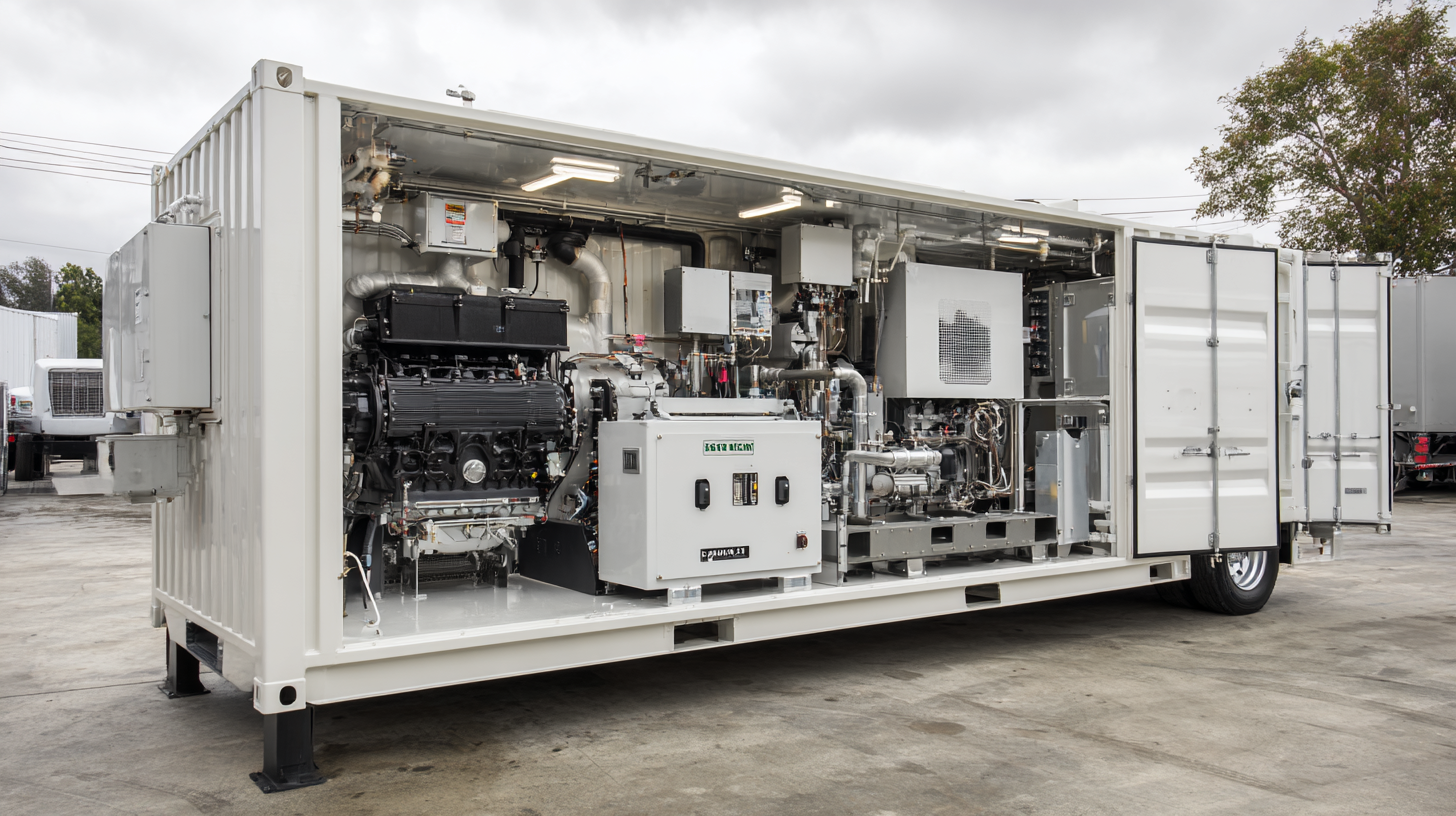
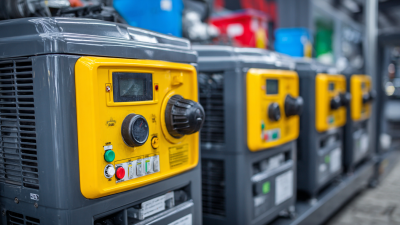
Here at TECHIE Inc., we’re all about supporting that move. We specialize in ignition systems for stationary gas engines, working with top models like GE Jenbacher, MWM, and CAT—these are basically the backbone of natural gas generators. Plus, with our comprehensive range of spare parts for gas engines, our customers can easily roll out sustainable energy solutions without missing a beat—getting the most out of their systems.
Jumping on the natural gas generator bandwagon isn’t just about keeping the lights on more reliably; it’s a key part of working toward a greener, low-carbon future, and we ’re excited to be part of that journey.
Lately, pretty much everyone’s been talking about natural gas generators as a smart, more sustainable way to produce energy. And honestly, they’re really gaining popularity, especially because they help cut down on those nasty carbon emissions from power plants. According to the U.S. Energy Information Administration, natural gas plants pump out about half the CO2 that coal-fired ones do. That’s a pretty big deal when you think about fighting climate change, huh? It makes natural gas a much cleaner choice as the world gradually shifts toward renewable energy sources.
But it’s not just about emissions — natural gas generators are also super flexible and reliable. Interesting stuff from the International Energy Agency shows that natural gas can be a great complement to wind and solar energy, especially since these renewables aren’t always available when you need them. Having natural gas as a backup helps fill in those gaps, making it easier to include more renewables in the energy mix. So, it really pushes the whole transition to a low-carbon economy along.
Quick tip: If you’re thinking about switching over to natural gas generators, it’s a good idea to check out your energy needs and how much you’re contributing to emissions. Doing an energy audit can help you figure out what size system you’d need and what kinds of savings you might get—not just in terms of costs but also for the environment. And don’t forget to keep an eye on market trends; natural gas prices are expected to stay fairly competitive, which means you might end up saving money while also doing your part for the planet.
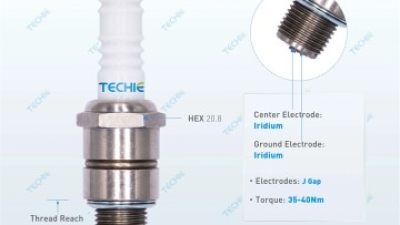
The replacement of gas spark plugs is crucial for maintaining the performance and efficiency of gas engines. Among the available options, the TECHIE Gas Spark Plug, designed specifically to replace the Champion RL15B #535, stands out as a reliable choice for various gas engines. This compatibility ensures that users can easily switch out their old plugs without worrying about performance discrepancies.
One of the key benefits of the TECHIE Gas Spark Plug is its superior ignition capabilities. With enhanced electrode design and materials, it provides a more consistent spark, leading to better combustion efficiency. This results in improved fuel economy and reduced emissions, which are vital considerations for environmentally conscious consumers. Moreover, the durability of the TECHIE spark plug means that users can expect a longer lifespan, reducing the need for frequent replacements and maintenance.
In addition to its performance advantages, using the TECHIE Gas Spark Plug can significantly enhance engine responsiveness. Drivers will experience smoother starts and improved acceleration, making it an excellent investment for anyone looking to optimize their engine's performance. With these benefits in mind, it's clear that switching to the TECHIE Gas Spark Plug is a smart decision for those relying on the Champion RL15B in their gas engines.
: The global combined heat and power (CHP) market is projected to grow from $19.06 billion in 2025 to $30.38 billion by 2032, achieving a compound annual growth rate of 6.89%.
The recent fluctuations in natural gas prices in Europe underscore the urgency of addressing supply and demand balances amid transitioning energy frameworks.
Yes, countries like Thailand emphasize the collaborative potential of natural gas and clean energy sources during energy transformation phases, while others, such as Japan, aim for significant increases in renewable energy contributions alongside natural gas.
Advancements in turbine designs and emissions control systems, as well as the integration of digital technologies like artificial intelligence and IoT, have significantly enhanced the performance and efficiency of natural gas generators.
Modern combined-cycle gas plants can achieve efficiency rates exceeding 60%, significantly reducing the carbon footprint compared to traditional coal-fired plants.
Incorporating digital advancements can lead to a 15% improvement in efficiency and a substantial decrease in operating costs for natural gas generators.
The transition from diesel generators to natural gas-powered units in California reduced greenhouse gas emissions by 30% and significantly lowered operational costs, enhancing energy efficiency and air quality.
The remote island community achieved energy independence and stability by using local natural gas resources, which not only powered homes but also supported local businesses, fostering sustainable development.
Natural gas generators are becoming increasingly integral to sustainable energy solutions as they provide reliable and cleaner energy, especially when enhanced by innovative technologies and efficient practices.
The implementation of natural gas generators can help reduce dependency on volatile fossil fuel markets by utilizing local natural gas resources, thereby fostering resilience in energy systems.
So, I recently came across this article titled "Exploring the Benefits of Nat Gas Generators for Sustainable Energy Solutions," and honestly, it has some pretty interesting points. It points out how using natural gas generators can really cut down on carbon emissions compared to the old-school methods of power generation. That’s a big deal when it comes to keeping our air cleaner and moving towards a more sustainable future, right? The article does a good job comparing things—while renewable energy sources are definitely important for sustainability, it seems like natural gas generators offer a level of efficiency that can’t really be ignored, especially when you’re trying to bridge the gap while transitioning to greener options.
Plus, they touch on how budget-friendly these generators can be, especially with all the government incentives out there that make it easier for industries to jump on board. It’s pretty cool how new tech keeps making these generators better—more reliable, more efficient. They've even included some real-world examples showing how successful these setups can be in actual projects. Companies like TECHIE Inc. are really making a difference here—they provide all kinds of parts and ignition systems that help keep these generators running smoothly across different engine models.
All in all, it really paints a picture of natural gas generators as a solid part of the future of sustainable energy. Not perfect, but definitely a valuable piece of the puzzle.
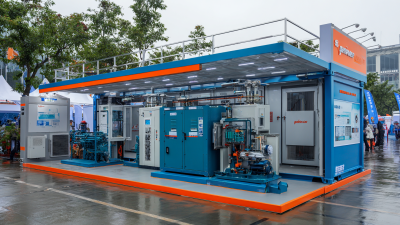



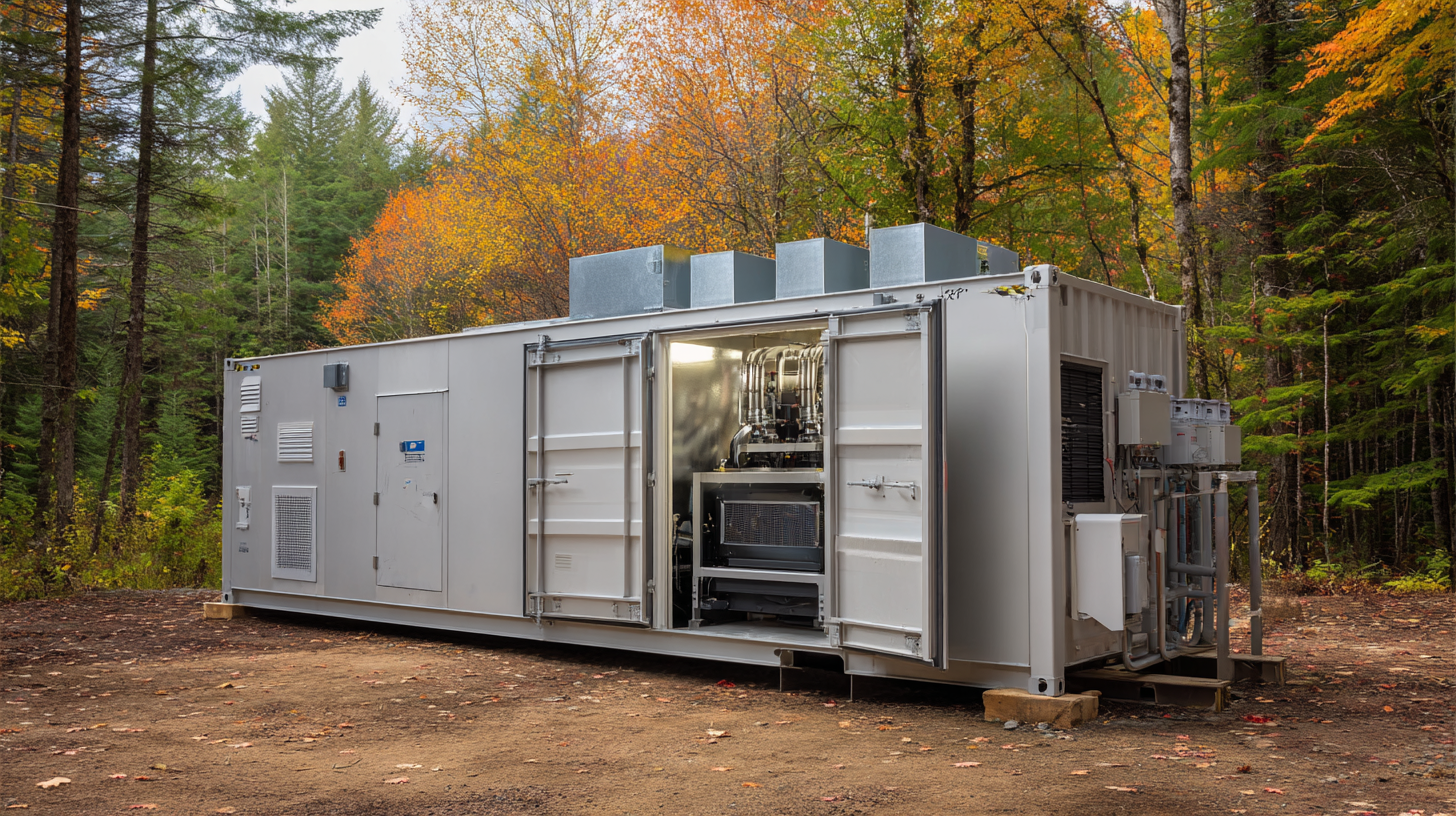
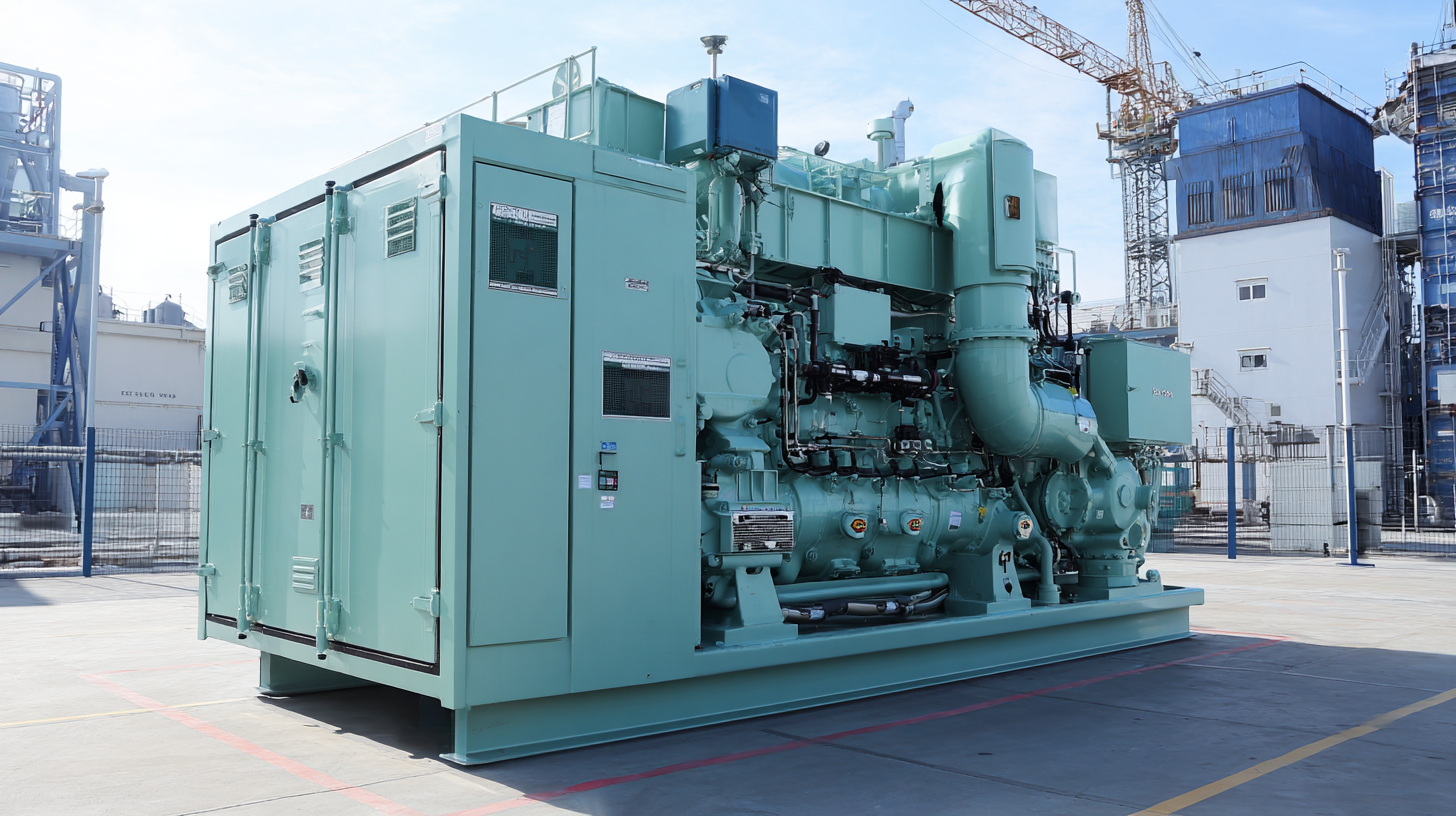 And here’s another cool example—there’s this remote island community that was really struggling with its energy needs because it depended heavily on imported fuel. Once they brought in natural gas generators, everything changed. They managed to become more energy-independent, which is a huge win for them. They used local natural gas sources, creating a system that’s not only more resilient but also